Indian food is one of those cuisines people love, but the vocabulary around it can feel like a small puzzle when you are not familiar with it. You look at a menu and see “curry,” “masala,” and “gravy” used in different places, and suddenly it feels like you are reading something you should already understand. At Tandoori Grill, customers ask these questions all the time, especially folks trying Indian food for the first time. The truth is, the difference is not as complicated as it seems. It is actually pretty simple once you hear it in normal words instead of food-textbook language.
Let us start with the term people use the most - “curry.” In the U.S., the word has been stretched to mean almost anything saucy from India, but that is not really how it works. Curry, at its core, is more about the style of cooking than one specific dish. It can be thick or thin, mild or hot, creamy or sharp. The base usually comes from onions, tomatoes, ginger, garlic, and a bunch of spices cooked slowly together.
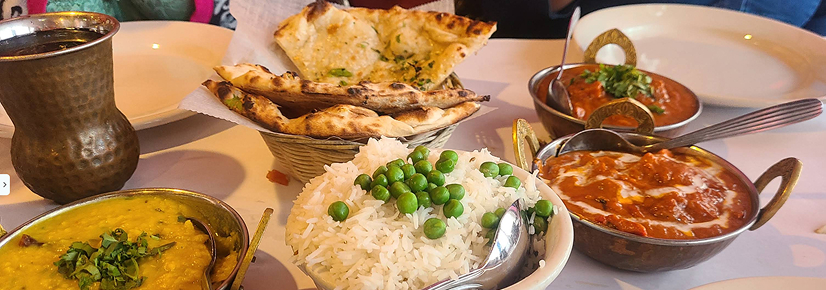
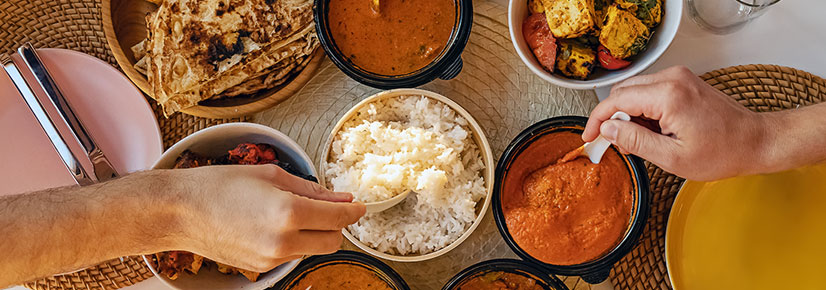
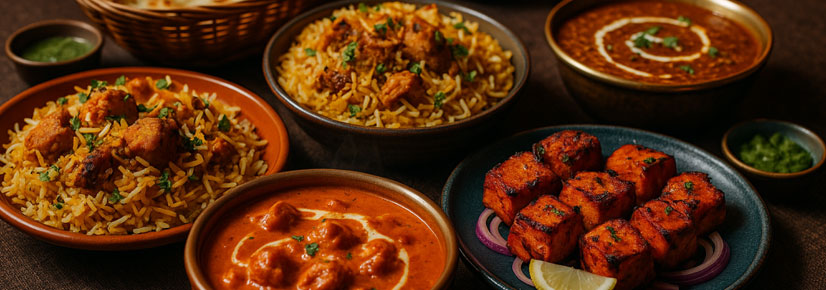
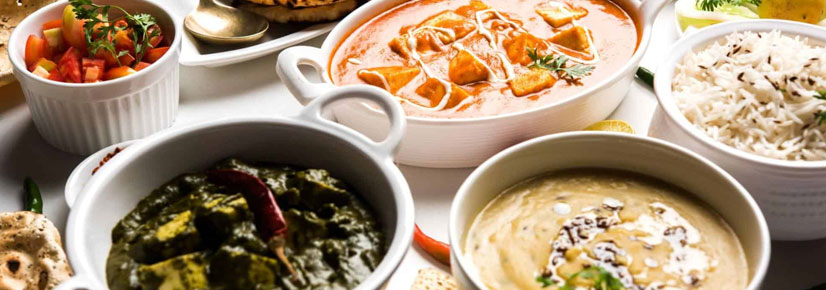
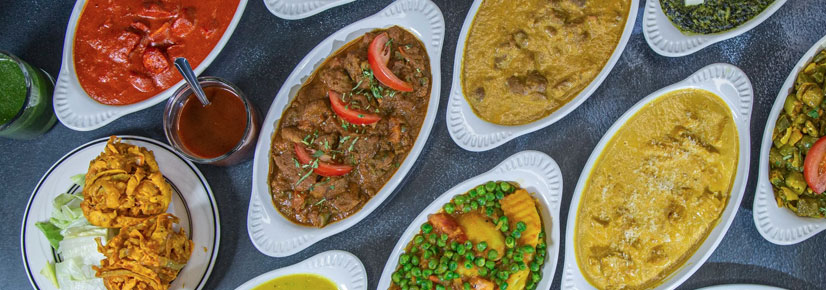
At Tandoori Grill, when someone orders a curry, they are basically asking for a dish that has a warm, seasoned sauce that blends into the ingredients. Chicken curry, vegetable curry, lamb curry, each one has its own personality, but the idea stays the same. It is comfort food. It is steady, flavorful, and the sauce ties everything together.
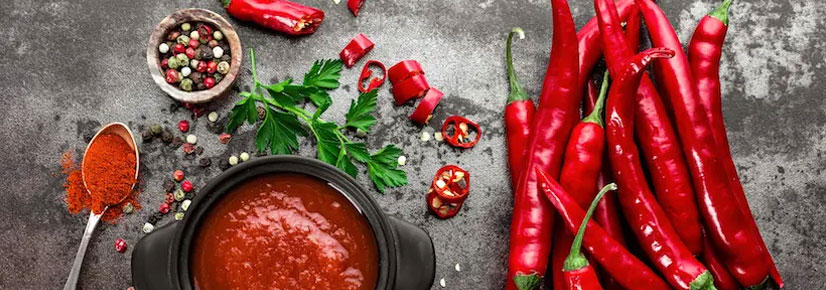
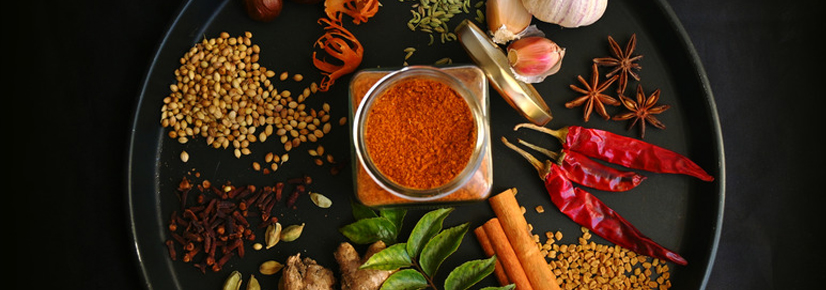
Now “masala” is where people get confused, but it is actually the easiest word to understand. Masala literally means a mix of spices. That is it. Nothing complicated.
There are dry masalas, which are spice powders, and there are wet masalas, which are the paste-like blends used as a base for many dishes. When you see “Chicken Tikka Masala” on the menu, the name comes from the masala that forms the sauce , a mixture of tomatoes, cream, and a spice blend that gives it that warm, slightly sweet flavor.
Masala dishes tend to be richer and more layered than a straightforward curry. They have depth. They have that slow-cooked feel. If curry is the steady everyday dish, masala is the one you order when you want something with a little more structure and thickness. At Tandoori Grill, the masala dishes are usually the crowd favorites because they work for people who prefer mild food and also for those who want stronger flavors.
“Gravy” might sound familiar because it is the word used in American cooking too, but in Indian restaurants, it means something slightly different. Here, “gravy” simply refers to the sauce portion of the dish - the liquid that holds everything together. It does not mean one specific flavor or style. Instead, it describes how saucy the dish will be.
Some gravies are light and flowy, almost broth-like. Others are thick and heavy, meant to cling to rice or naan. When you see the word on a menu, it is not a flavor category. It is more like a hint about texture. A masala dish technically has gravy. A curry has gravy too. The term just helps you understand the consistency before you order.
At Tandoori Grill, when someone asks, “Is this a gravy dish?” the staff knows they are really asking if the dish will have enough sauce to scoop up with naan or to mix into rice. It is about the feel, not the ingredients.
Once you understand it in everyday language, the whole thing becomes easy:
You do not need to memorize anything or pretend to know every spice. The point is just knowing what you are in the mood for. Something light? Something rich? Something creamy? Something with a kick?
When customers at Tandoori Grill figure out this simple breakdown, ordering becomes a lot more enjoyable. You start choosing dishes based on how you want the night to feel, whether warm, cozy, bold, or comforting.
And honestly, once the food arrives and that steam hits you, the definitions fade away. You just enjoy the plate in front of you. That is how it should be.