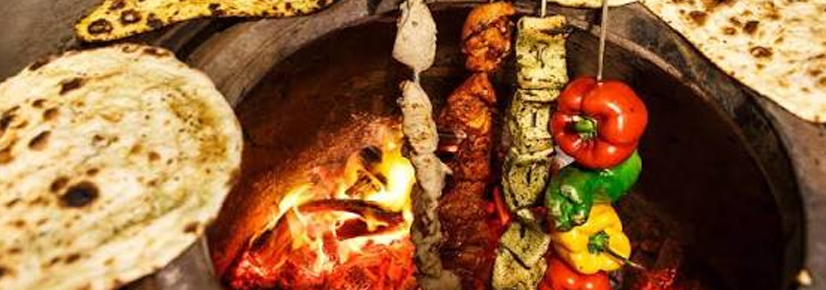
Ask someone what comes to mind when they hear the word tandoor and there is a good chance they will mention naan, kebabs, or tandoori chicken. But the tandoor has a much bigger story than a list of foods. For generations, the clay oven has been part of life in Punjab. In many rural communities, the tandoor was not something hidden away in a restaurant kitchen. That is an important part of the tradition that eventually travelled far beyond Punjab. It is also the tradition behind Tandoor Grill in Long Beach.
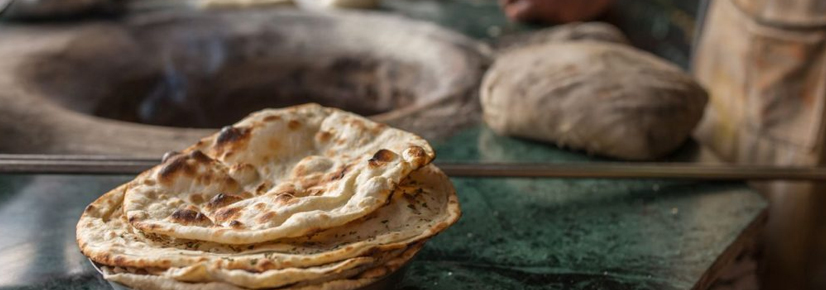
The traditional tandoor is a clay oven, usually shaped somewhat like a large bell. Some were built into the ground, while others stood above it.
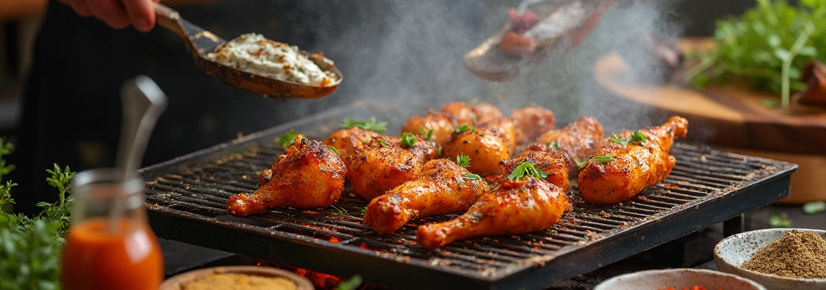
Wood or charcoal provided the heat, and the oven could reach temperatures of roughly 480 degrees. That kind of heat made the tandoor useful for much more than one dish. Dough could be pressed against the inside wall to make naan. Roti could be cooked in the intense heat. Marinated meats could be placed inside for roasting. The same oven could therefore handle several parts of a meal without needing a collection of modern cooking equipment. There was a practical side to it. Then there was the community around it.
The story changed after the Partition of India in 1947. Large numbers of Punjabis moved to other parts of India, including Delhi, taking their food, recipes, and cooking traditions with them. Tandoori food became increasingly familiar outside Punjab and eventually became a major part of Indian restaurant cooking. The tandoor travelled because people travelled.
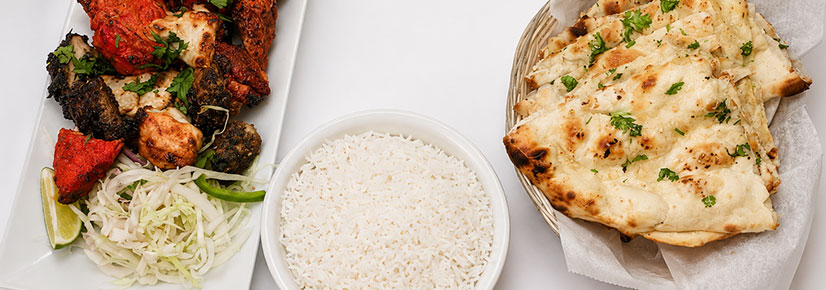
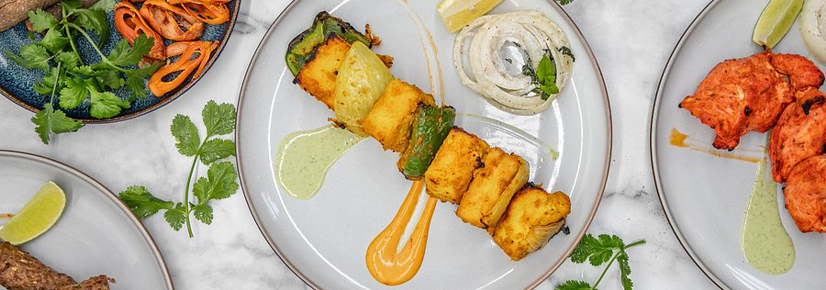
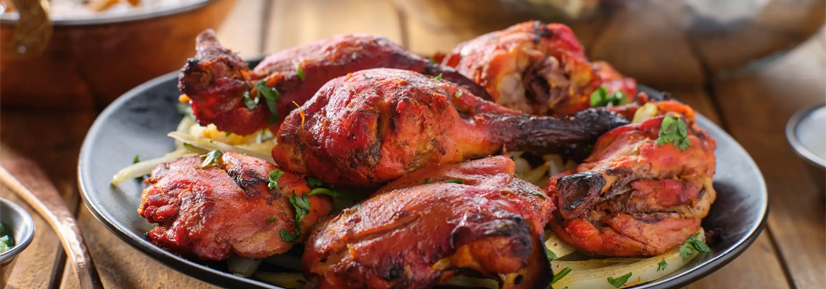
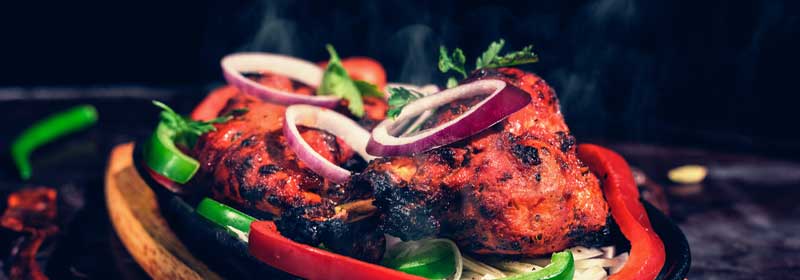
What had been strongly associated with Punjabi food began showing up in restaurants far beyond the region. Naan became a familiar accompaniment to curries. Tandoori chicken and kebabs became staples on Indian restaurant menus.
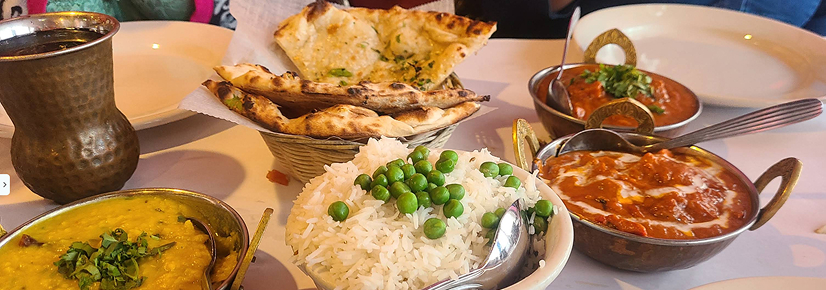
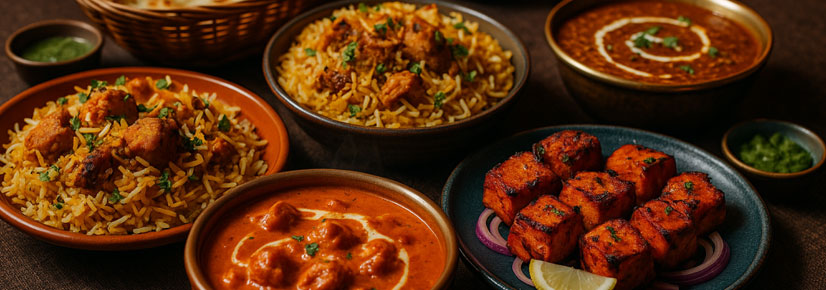
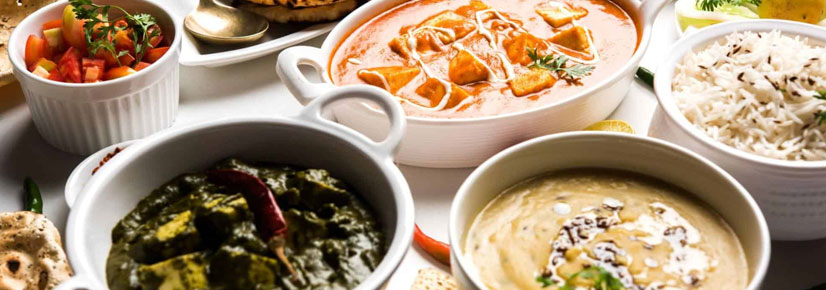
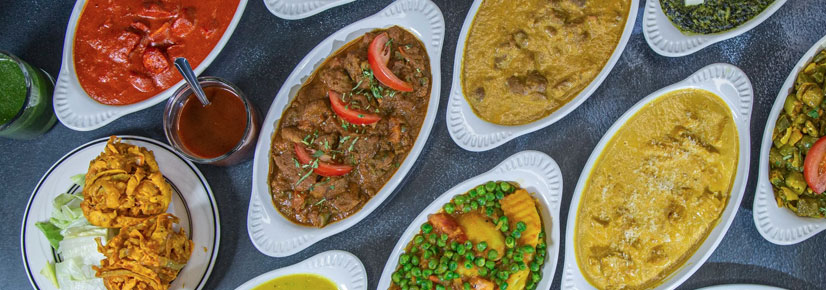
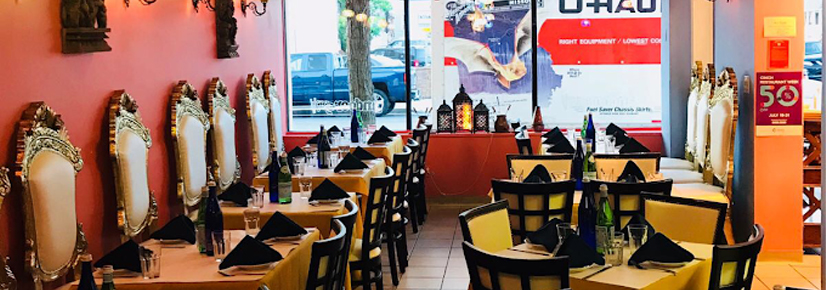
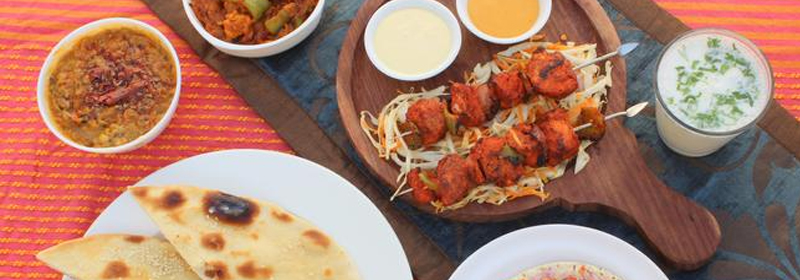
Tandoor Grill has operated locations in Baldwin and New Jersey, carrying this style of cooking into different communities. Now the same connection to tandoori cooking has made its way to Long Beach. The menu extends beyond tandoori dishes, with vegetarian curries, meat curries, breads, kebabs, and desserts. Still, the tandoor remains an important part of the restaurant's identity.
It connects the food on the table to a much older cooking tradition.
That matters because Indian food is not one single cuisine with one method of cooking. Different regions have their own ingredients, techniques, and food traditions. The tandoor is one of the clearest examples of how a particular regional tradition can become known far beyond its original home.
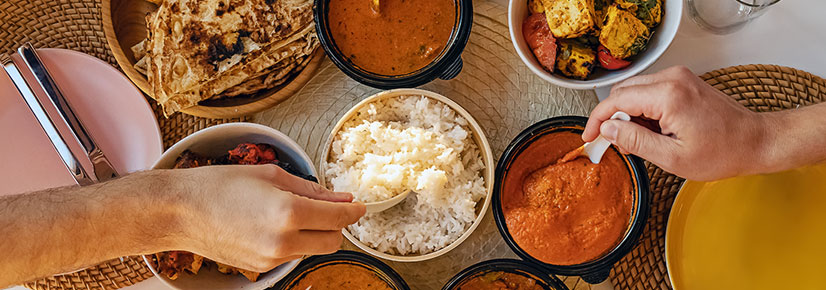
The tandoor began as a practical cooking method and became something much bigger in Punjabi food culture. It was part of village life. It travelled with people after Partition. It found its way into restaurants across India and eventually into kitchens around the world. Tandoor Grill is another stop along that journey. For diners in Long Beach, the result is simple enough: warm bread, marinated kebabs, curries, and food cooked in a clay oven.
But behind that meal is a tradition that has been travelling for generations.
The traditional tandoor clay oven is far more than a restaurant appliance; it is a vital part of Punjabi culinary history that evolved from communal village life. Following 1947 Partition, tandoori cooking spread across India and eventually worldwide, shaping modern Indian cuisine. Tandoor Grill carries on this rich tradition at its locations, including Long Beach, bringing authentic flavors, warm breads, and clay-oven specialties to diners today.